
Some Thoughts about Nomads
Where is home if you are always on the move?
No doubt terrestrial folk ponder such questions. Leaning on a planting stick, season after season, haven’t you caught yourself regarding the sea, wondering if another life was possible?
- Adam Johnson, from his book, The Wayfinder
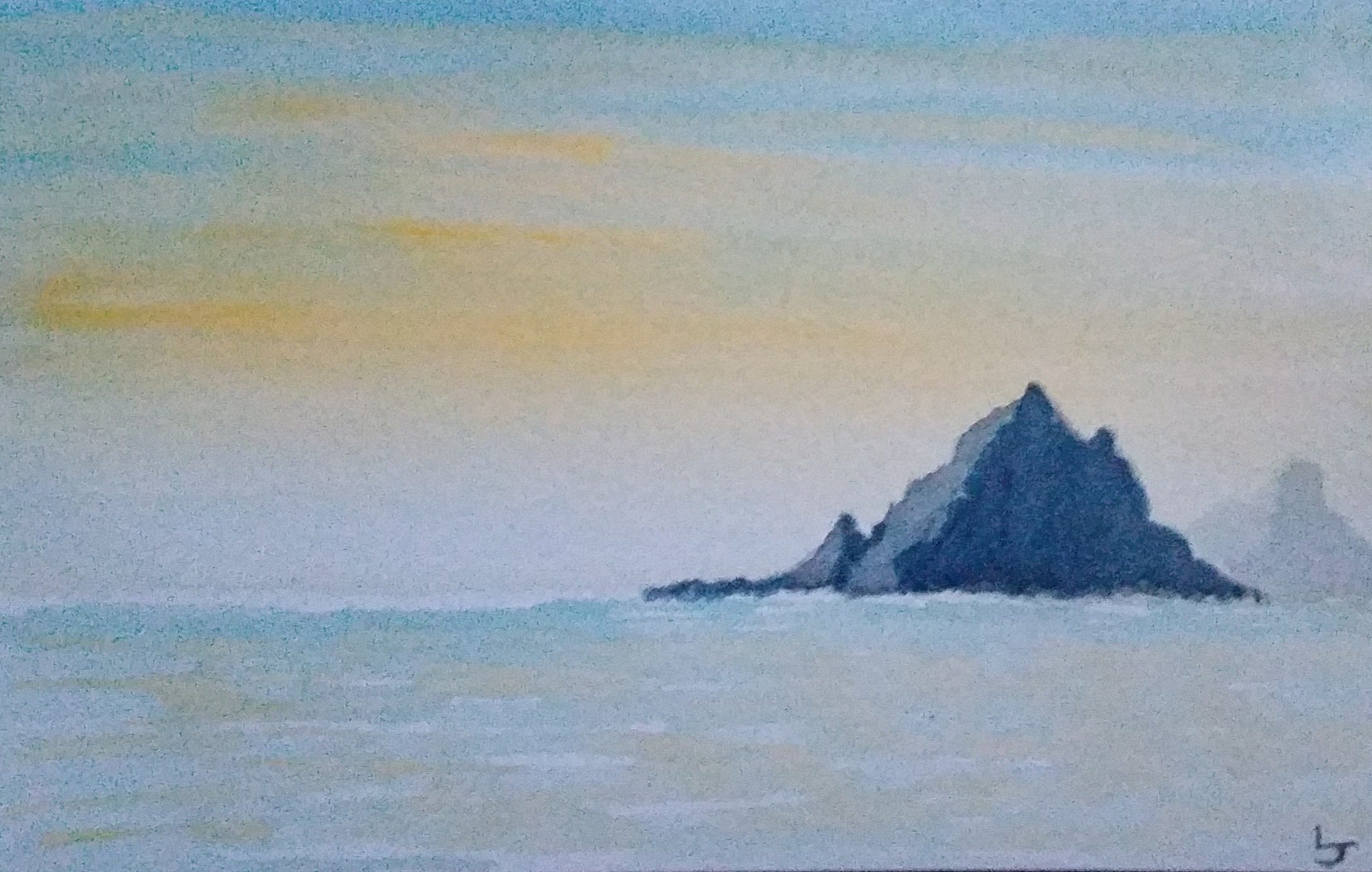
A nomad is a person who does not stay long in the same place, a wanderer. Ancient nomads had no permanent home but moved with the seasons to find fresh pastures for their grazing animals.
Modern nomads are those of us who forgo the norm of living in one place and choose to travel. We like the changing view; we like living outside the box.
We might live a nomadic life on a permanent basis, or it may be temporary. Some of us have a home base somewhere, but some of us are home wherever we are in the world.
I’ve identified as the OG Digital Nomad for years. Since long before remote work became a thing, I’ve been working from anywhere, based on my sailing yacht, doing business as usual in places that are anything but usual.
And now it’s become more common – there are dozens of us here on Substack that live a nomadic life. We’re here to tell our stories, maybe to inspire others to make the leap, or more likely to entertain those who never will. Nomad life is not for everyone, but thankfully it’s a way of life that is available for those of us who embrace not normal.
Recently, I read a book called The Wayfinder, by Adam Johnson. It’s a novel about the Tu’itonga Empire, and the original people who ruled a kingdom that was centered in Tonga thousands of years ago, before there were any foreigners in this part of the world. The known universe for these people spanned a vast area of the South Pacific Ocean with Tonga at the center, that went as far south as New Zealand, (called in the book by its Maori name, Aotearoa, often translated as “land of the long white cloud”), as far north as Uvea (the traditional name for Wallis Island) and Samoa, as far west as Fiji and Vanuatu, and as far east as the Polynesian Islands of the Marquesas.
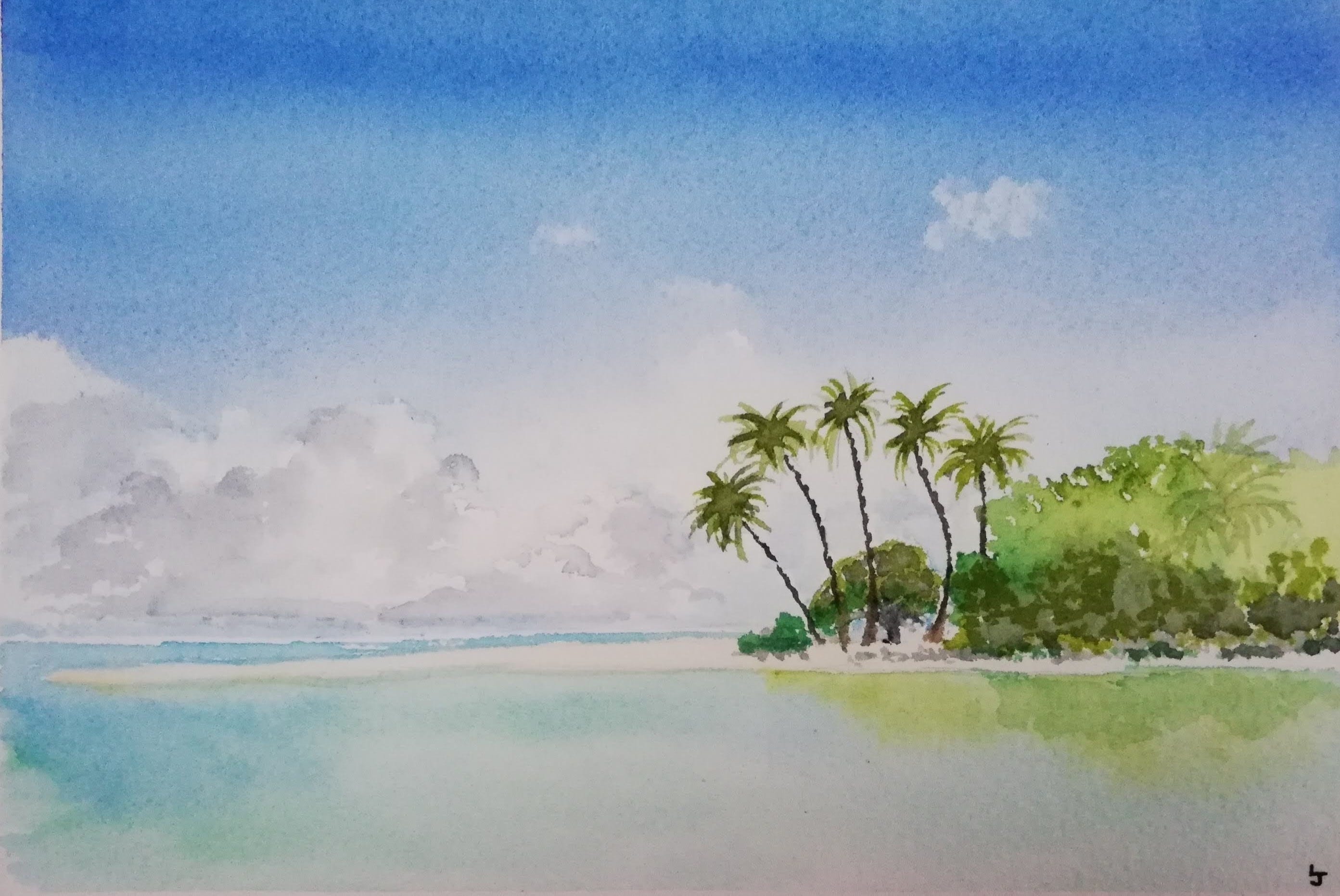
We’ve visited many of these islands in our current nomadic journey of ocean adventure, and though the book is a fantastical tale, I identify deeply with some of the concepts. Of the vast distances, of the power of the ocean, of finding our way. And of the problems that arise for island nations, ones that were described as problems thousands of years ago, and that still exist today. Over-fishing, depletion of finite resources, deforestation, depopulation.
This is a vast area of ocean, and the islands are small. Distances are great and locations in ancient times were mysterious, defined by what lay beyond the horizons, where, as Johnson writes, “the reflected constellations extended to the horizon, where the stars below and the stars above stitched together”.
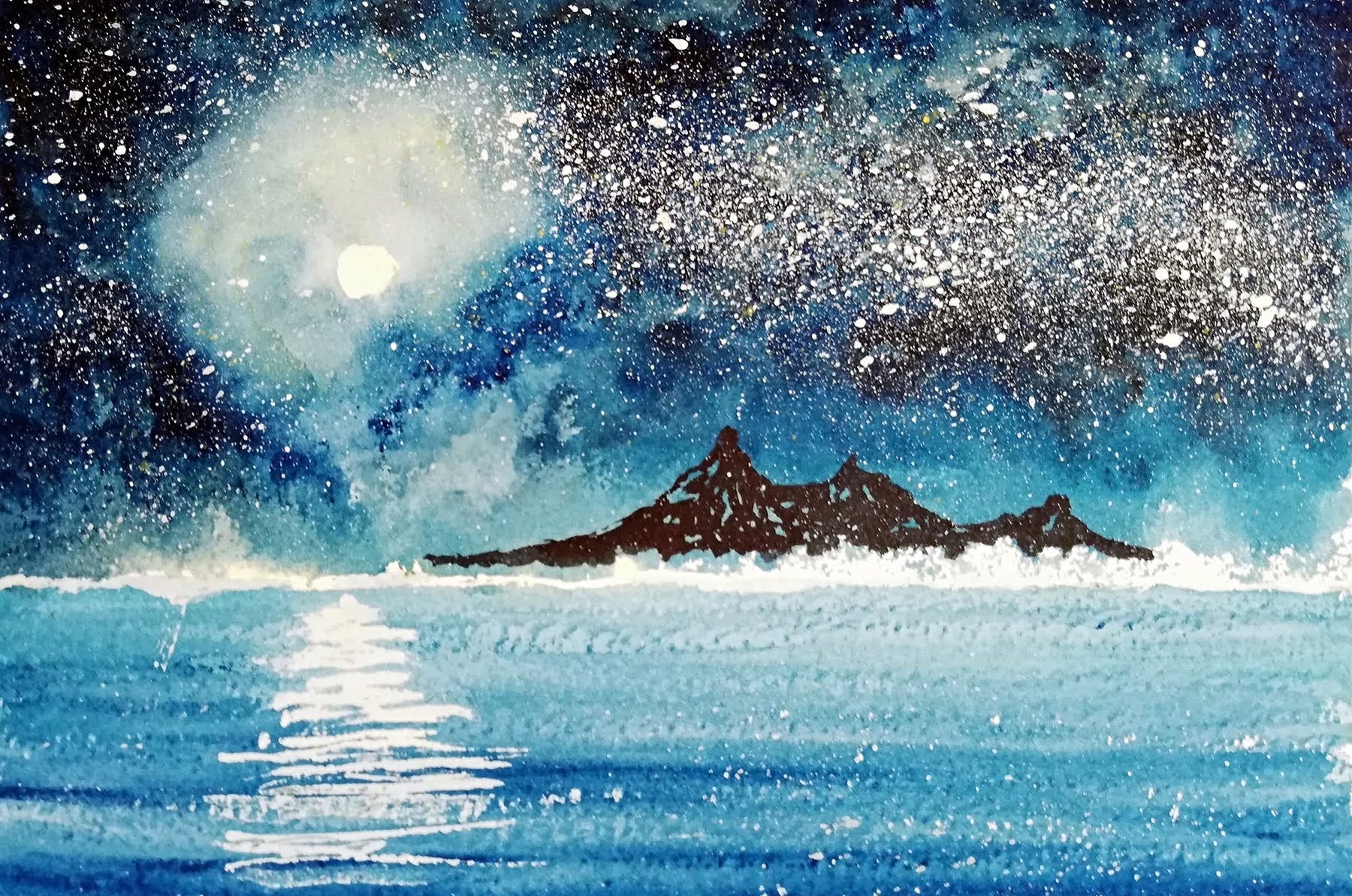
The Wayfinders of the book title were the navigators, those who could read the stars and the waves and the currents to find the specks of land that make up this disperse geography. They saw the ocean as a highway that connected the people and islands of the Pacific. Wayfinders learned their craft through study and memorization. It was an honorable position, those who could map the islands and follow the stars and the currents from place to place had great power. They wore fishhook pendants on a necklace that promised safe passage over water. When they left to go on a voyage, the people on land said, “You must go”. The navigators response was, “And you remain.”
But another set of characters in the book are nomads. Not the kind of nomads that we normally think about. Water dwelling nomads.
They called little attention to themselves, shielding their fires and rarely setting foot ashore. They carried everything in their double hulled sailing canoes – root cuttings, fish traps and animals to eat – hogs, parrots from Fiji, chickens that roosted in the folds of the lowered sails. – paraphrased from the book, The Wayfinder
Nomads in this time were people who had been displaced from their island homes by invaders from other islands. When war parties came and they were driven from their land-based homes, the displaced people spent the rest of their lives living on their canoes, not knowing that they would never leave them, but giving up the need for land altogether.
Why do I relate to this in so many ways?
For one, we are navigators – and even with our modern tools for navigation, there is still mystery and wonder in arriving at a destination that is little more than a speck of rock in the midst of thousands of miles of endless horizons. We feel powerful, and each successful landfall we make is cause for celebration and gives us a strong sense of accomplishment.
Secondly, we are water dwelling nomads. All the way.
We were not driven away from our land-based home by invaders, but we drifted away, by choice. In the words of the book, the ocean is a parent-like being, embodied as “the vastness of the sea, whose tutelage remediates all other lessons but one: a human’s lowly place in the oceanic scheme.” Every day we get subtle reminders that this is the truth. We are small, the ocean is vast.
We also don’t have “a need for land”. At this moment in time, there is no place on land that we would choose to live. Our world is SV Duende, she is our version of an ancient sailing canoe, but with modern comforts and conveniences. In every way she gives us a “life of freedom, governed only by the wind and currents, which favor no man over another.”
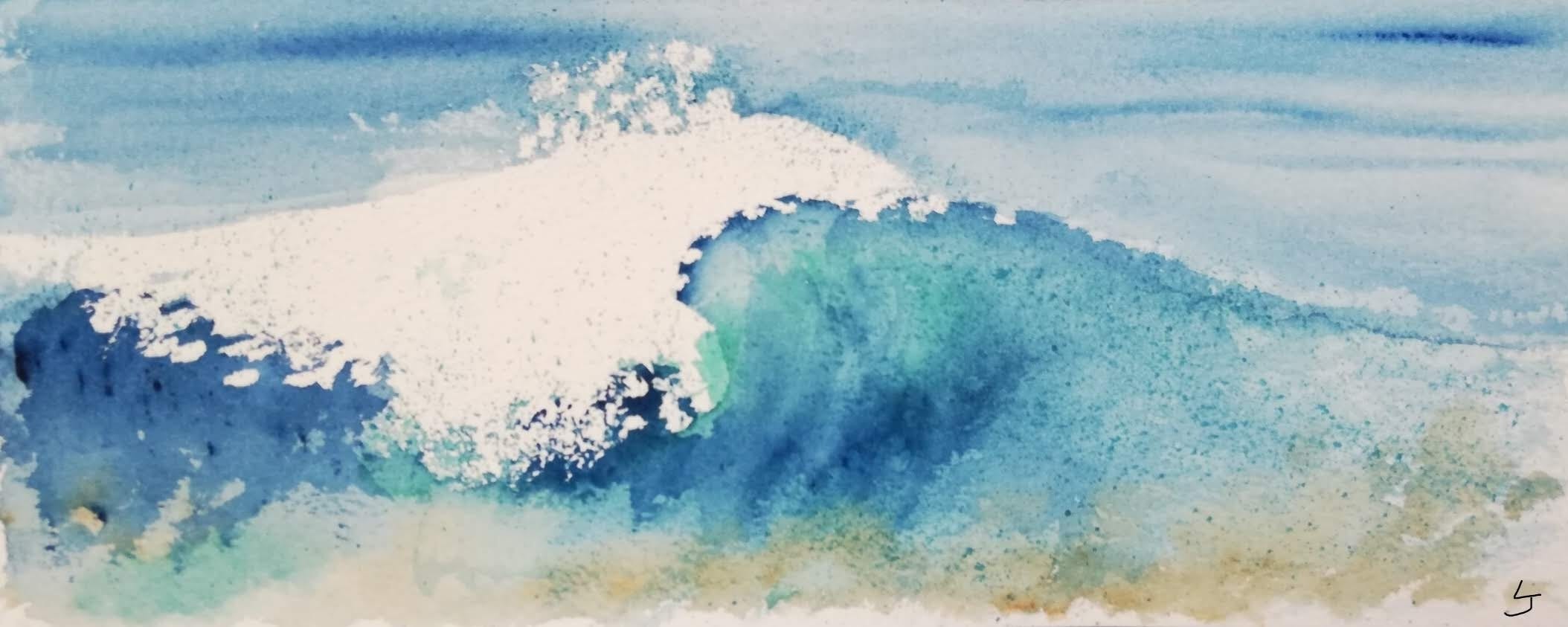
Maybe our way is the best of both worlds. We have a solid and consistent environment, but it’s a moveable feast. When we arrive at a destination, we have our own place. We don’t have to think about where we are going to stay or look for a place to eat. We have all our things with us, and full control of our day-to-day routines. Of course there are always rules for entering new countries as visitors, but once the formalities are done, we are on our own, free to do what we want.
We have an affinity with the ocean and are always in tune with nature. The weather and the seasons influence our decisions about where we will go next, and when we will leave. If conditions are favorable, we can move at will, on our own vehicle, on our own schedule, to destinations of our choosing.
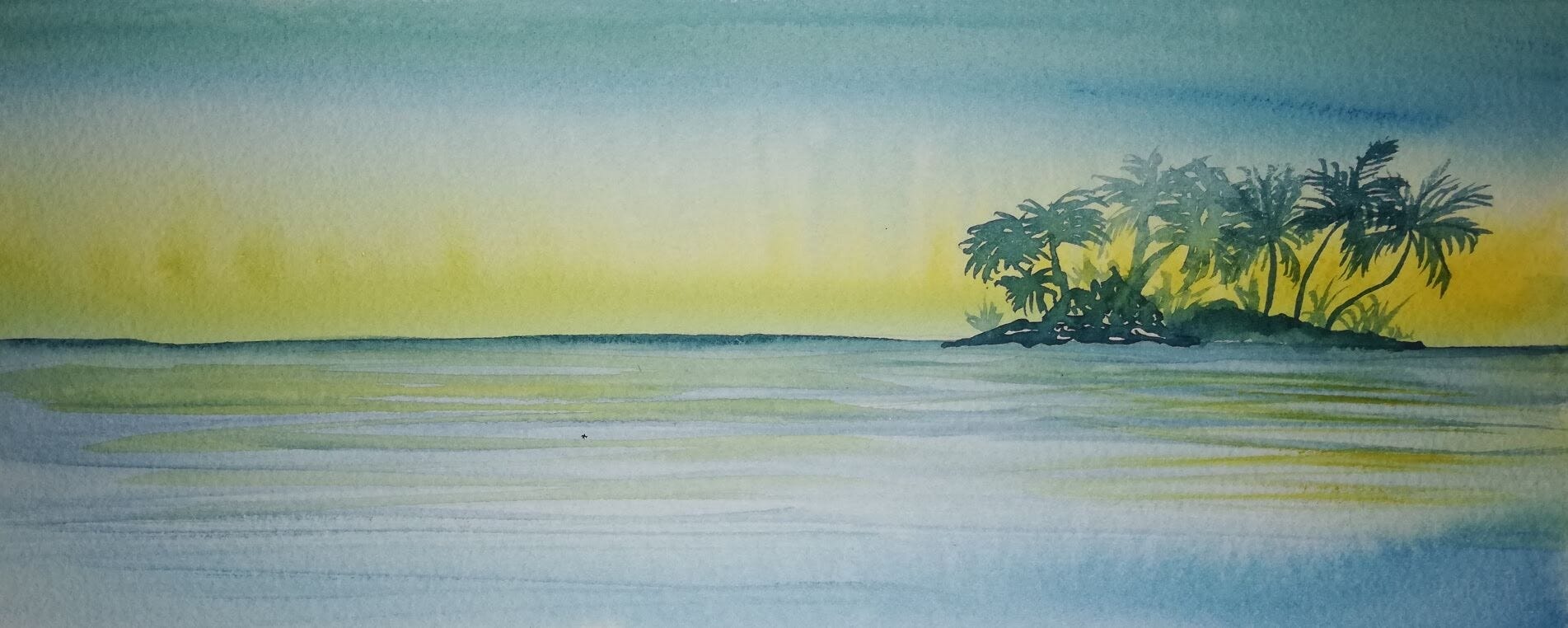
We have much in common with other nomads, fellow travelers who brave the unknown, who travel to places that few others go, seeking adventure and unique experiences. Those things bind us together. But I have come to realize that our water dwelling status is what sets us apart from the land dwellers.
Adam Johnson said it most eloquently in his book:
“Nomads were free of a malaise that plagued land dwellers: a collective amnesia, a forgetting so bad that they forget what they’d forgotten: namely, that they were once fearless, that they were once free, that long ago they’d held the world entire—not just a patch of sand—in unblinking regard.
Here are some things only nomads remembered:
That the wind was the only path, the sea the sole map of itself.
That only by losing everything could people see what they couldn’t afford to lose.
That no temple or tower or tomb was needed to mark a life freely lived.
That there’d been a time before islands, when all was water. That a day would come when the islands slipped back beneath the waves, taking all the drowsy dirt-dwellers with them.And only nomads, with their endless survey of the sea, knew the true state of the islands, which were becoming, one by one—through war and profit and depletion—denuded, so that everyone, before long, would get to try their hand at nomadism.”
Let’s hope beyond hope that our human species stops the destruction of our planet and our oceans before the islands are denuded. But if not, and everyone on earth becomes a nomad of the water dwelling kind – we’re ready. We’re already home.
And I’m getting a fishhook pendant.
Sail On Fearless Crew! LJ
We are two people exploring the ocean on our 80-foot sailing yacht, without a full-time crew or a fat wallet. To all my constant readers, thank you for coming along on this voyage with us. It’s so much fun for me to share our adventures with you, and I hope you enjoy my stories. Please invite your friends and family to join us.
All are welcome onboard SV Duende.
If you are new to the crew, I’ve put together a Start Here page on my Substack website. This roadmap guides you through some of our most popular essays, and provides a few binge-worthy series suggestions. It’s a fun introduction to the themes that weave through our life of adventure on the deep blue sea.
This is stunning, Linda — the way you weave ancient wayfinders, modern nomads, and your life aboard Duende into one continuum. I especially loved the idea that the ocean is both parent and teacher, and that “home” can be something that moves with you rather than a place you return to.
As land-based slow travelers, we relate to pieces of this — that feeling of drifting away from a fixed home, that sense of being shaped by weather, seasons, and the quiet rules of nature. But what you describe here… it’s a different frequency entirely. Water-dwelling nomadism feels like the purest form of freedom — and the deepest form of remembering.
Your line about arriving at a speck of land after crossing thousands of miles? That gave me goosebumps.
Thank you for taking us into that world. Every time I read your work, I feel a little more connected to the wider map of how humans have always moved — by wind, by instinct, by story.
Sail on, fearless crew — and get that fishhook pendant!
💛 Kelly
How lovely this essay is. I've never thought about a distinction between land and sea nomads. In my mind, it's been Live Aboards and Nomads. Thanks for twisting the view.