
We Sailed Into a Burning Ring of Fire
Channeling our inner Johnny Cash on this somewhat eruptive voyage
SV Duende is anchored1 within 100 nautical miles of the most active volcanic islands in the Vanuatuan Archipelago. At this moment, they are both somewhat lit up.
One is the island of Ambae, 50 miles away, with its volcano Manaro Voui2 on Alert Level 3, Minor Eruption. The other is Ambrym, 100 miles to our southeast, and the twin cones of Benbow and Marum3 are on Alert Level 2, Major Unrest.
I keep telling myself that on the scale of 0 - 5, we’re doing just fine.
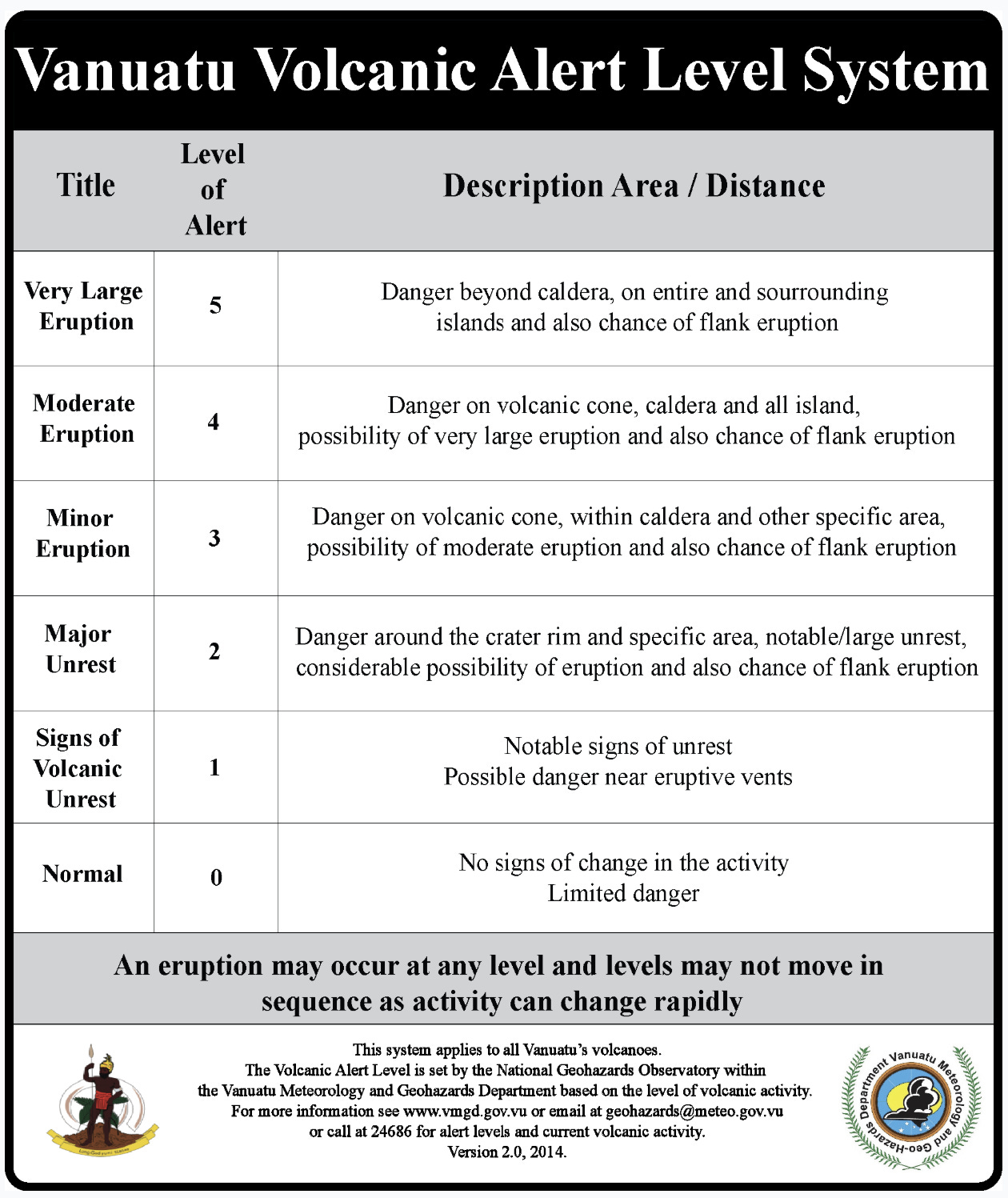
The Vanuatu Meteorology & Geo-hazards Department reports that “Ambae is experiencing continuous explosive activity with ash plumes reaching up to 3,000 meters, while Ambrym remains relatively quiet with persistent gas and steam emissions and intermittent weak ash venting.”
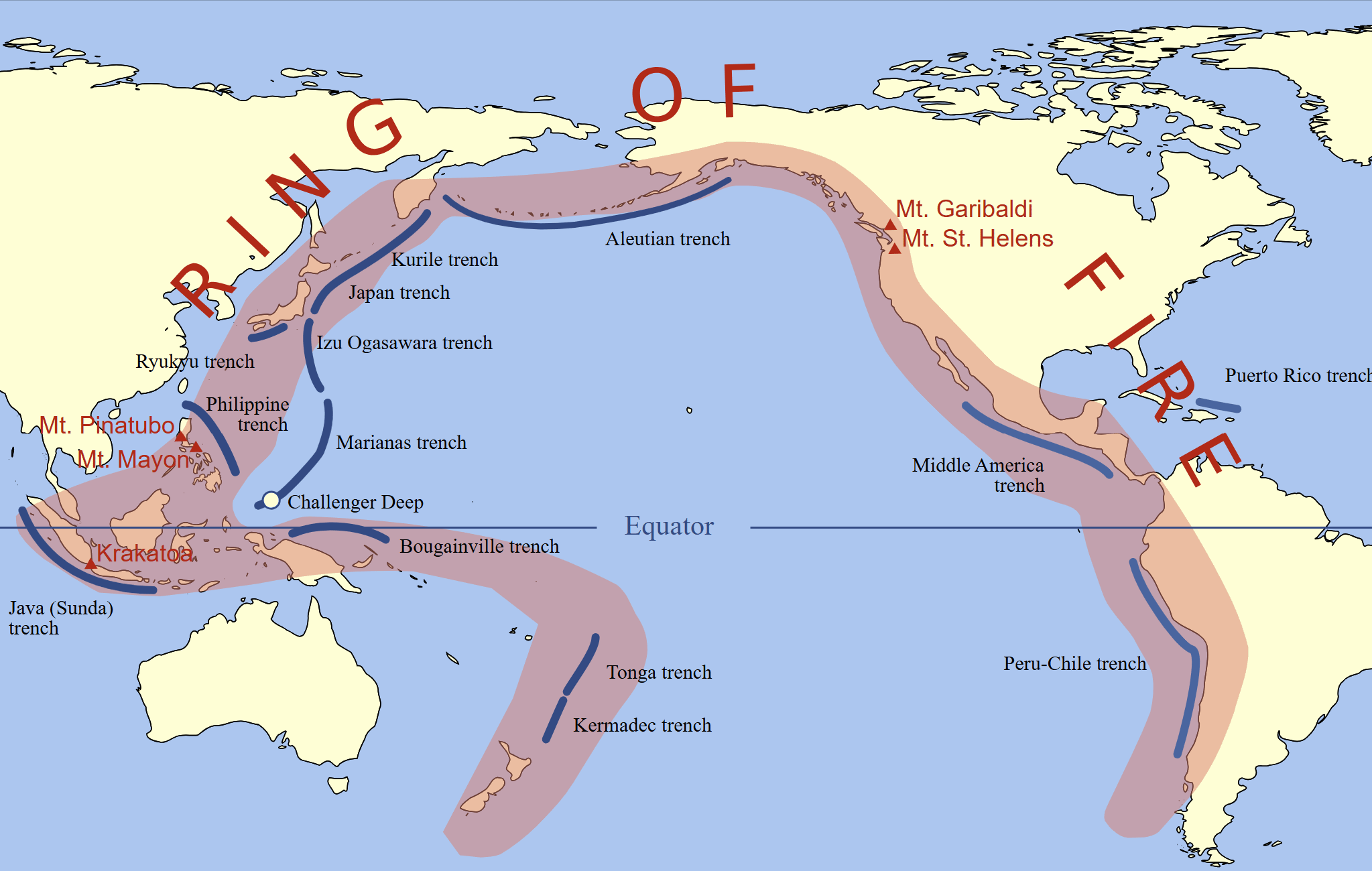
The archipelago of Vanuatu sits in the heart of the Pacific Ring of Fire, directly above a highly active zone where the Australian Plate is subducting under the Pacific Plate. This subduction creates frequent volcanic activity and earthquakes across the islands.
While we sailed into this region with our eyes wide open, it’s still a little disconcerting to know that the levels of sulfuric acid in the atmosphere right now are well beyond “recommended levels” and that the rain that has fallen steadily for the past few days, leaving streaks of black volcanic ash on our deck, is officially labeled “acid rain”.
This video from Windy shows the atmospheric sulfur dioxide levels in our location. The first number is near where we are now, the second is where we will be later this week. It gets better as we move north.
We are only short-term travelers in this wild place, but for the people that live here the threat of what might happen at any time with the volcanoes is very real.
Across Vanuatu people hold a deep, reciprocal relationship between their traditional culture and knowledge (known as “kastom”), and the local ecosystems and natural hazards that are part of everyday existence. Proximity to these forces of nature defines the boundaries between the natural environment and human culture, and manifests in feelings that harken back to ancestral times.
The island of Ambrym is also the epicenter of black magic in this island kingdom. Volcanic myths are more than ancient stories; they are part of the social structure and built into rituals. The active volcanoes are seen as the sacred dwelling place of deceased ancestors. When angered, these ancestral spirits are believed capable of triggering sudden ash storms, toxic gas emissions, or deadly weather, and many rituals exist to appease them.
Volcanic activity on the island is less about geographical science than it is linked to human morality and sorcery. There was a massive eruption of the volcano on Ambrym in 1913, and stories told about this event credit traditional chiefs for using black magic to wipe out the Christian and colonial settlement at Dip Point. The chiefs’ authority was threatened by the large numbers of island people who were converting to Christianity and losing respect for the traditional kastom, and they decided to take action and summon the spirits of the volcano.
Their black magic apparently worked.
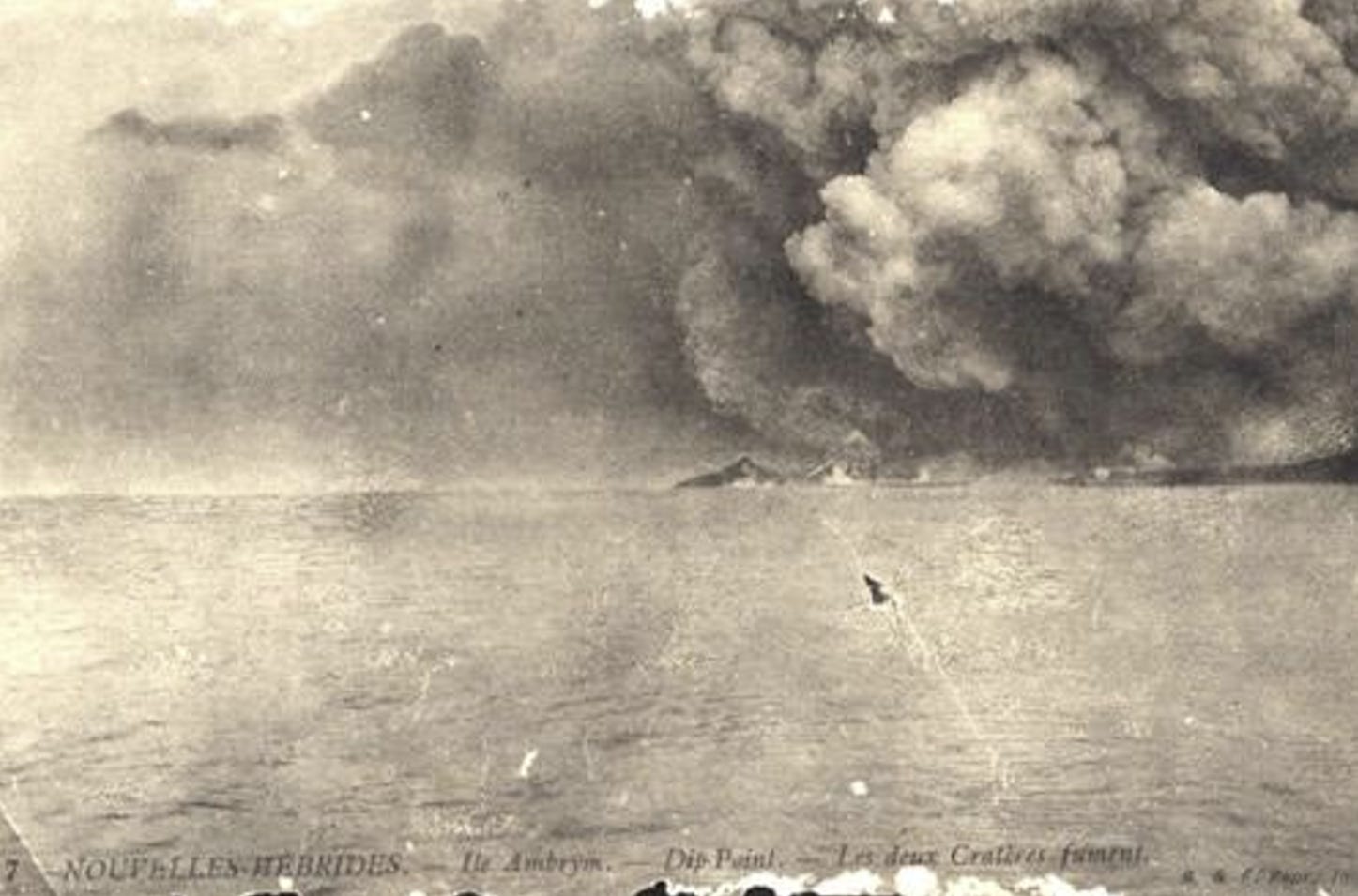
This eruption and the accompanying earthquakes were hugely disruptive. Thousands of people were evacuated from Ambrym, and the disaster completely obliterated the island’s primary economic and medical hub, which featured a central Presbyterian mission and the well-equipped Dip Point Mission Hospital, as well as many coastal villages. Many of the native island dwellers chose not to return to Ambrym after the mass evacuation, permanently settling on other islands.
A historical document4 written about the Dip Point Hospital chronicles the events of this disaster in great detail. This passage is from a letter written after the eruption by Robert J. Fletcher, a surveyor who was a firsthand witness:
“The wreckage has been fearful. One place where I was surveying about three weeks ago there was a large trading station with nice house and garden, a big missionary hospital with about 60 patients, and three or four native villages. Of all this now there is nothing to be seen. Everything buried thirty feet deep in lava.”
This same historical document contained accounts from some of the people who came to help with evacuations. This one was from the Reverend Maurice Frater, in reflecting how native custom was different from European ways:
“When the Titanic sank, women and children had the first consideration, but in times of stress and danger in the New Hebrides men and boys are the first to be saved. At one place near Craig Cove a crowd of natives had congregated and were waiting their chance of rescue, a native boat came in and took way as many men and boys as the boat could carry. No attention at all was paid to the women and girls. Fortunately, a trader’s launch was on the spot soon after and rescued the crowd of women and girls.”
In a subsequent account, he wrote:
“In my last letter I stated that about seven hundred refugees from S.E.Ambrim had been safely removed to Paama. Glad as the natives were to be saved from the ash and smoke of the volcano, no sooner had the launch cleared the boat passage and began tossing on the big seas, than many of them wished they had remained on Ambrim and taken their chance with the volcano. Few of the women refugees had ever been off the land before, and the sight of the big rollers threatening to engulf the launch frightened them to death. They expected a watery grave before they reached Paama.”
This excerpt from another letter from Rev. Frater illustrates the evolution of native customs:
“I was struck by a conversation with an old chief, possibly the oldest chief on the island. When we were arranging about hospitality for the homeless, he told me that the farthest back thing he could remember was a big eruption on Lopevi, when crowds of natives escaped in their canoes and landed on Paama. I said to the old man, did the Paama people of those days show as great kindness to the Lopevi people as they were now showing to the Ambrim people? He smiled and said, “OH, WE ATE THEM!”
Cannibalism in Vanuatu is a thing of the past, but traditional beliefs around the power of the volcano are deeply ingrained. Even today, when people on Ambrym venture up to the vents of Marum and Benbow, speaking certain words taboo. Certain words and names of some sacred birds and animals insult the volcano spirits and can trigger natural disasters.
In a symbiotic sense of consequence, volcanic activity is often retrospectively linked to human actions.
This week the rain will end, and we’ll move north, out of the shadow of the ash plume and into the northern islands of Vanuatu. I’ll rinse the remains of the black volcanic dust off the deck, polish my stainless fittings, and thoroughly clean the vinyl panels on the pilothouse enclosure.
Here on Duende, we’ll do our best to appease the spirits of the many volcanoes we have yet to pass as we continue our passage through the Pacific Ring of Fire.
Sail on Fearless Crew! LJ

About Shellphone Chronicles
I write weekly essays that feature tall tales from the high seas, beautiful photos, original artwork, and occasional poetry. We are a crew of two, enjoying countless adventures on SV Duende, an 80-foot expedition sailing yacht on a multiyear ocean voyage.
To all my constant readers, thank you for coming along on this voyage with us. I love sharing our stories with you.
If you are new to the crew, welcome aboard! I’ve put together a Start Here page — a roadmap to guide you through some of our most popular essays and provide a few binge-worthy series suggestions. It’s a fun introduction to the themes that we weave through our life on the deep blue sea.
Good sailing policy: Keep the gods happy
Fascinating but scary! You had me with the title!